SDG 8

Icon for Decent work and economic growth

Decent work and economic growth

Promote sustained, inclusive and sustainable economic growth, full and productive employment and decent work for all

Targets

Indicators

Target

8.1

Sustain per capita economic growth in accordance with national circumstances and, in particular, at least 7 per cent gross domestic product growth per annum in the least developed countries

Indicators

8.1.1

Annual growth rate of real GDP per capita 

Target

8.2

Achieve higher levels of economic productivity through diversification, technological upgrading and innovation, including through a focus on high-value added and labour-intensive sectors

Indicators

8.2.1

Annual growth rate of real GDP per employed person 

Target

8.3

Promote development-oriented policies that support productive activities, decent job creation, entrepreneurship, creativity and innovation, and encourage the formalization and growth of micro-, small- and medium-sized enterprises, including through access to financial services

Indicators

8.3.1

Proportion of informal employment in total employment, by sector and sex 

Target

8.4

Improve progressively, through 2030, global resource efficiency in consumption and production and endeavour to decouple economic growth from environmental degradation, in accordance with the 10-Year Framework of Programmes on Sustainable Consumption and Production, with developed countries taking the lead

Indicators

8.4.1

Material footprint, material footprint per capita, and material footprint per GDP 

8.4.2

Domestic material consumption, domestic material consumption per capita, and domestic material consumption per GDP 

Target

8.5

By 2030, achieve full and productive employment and decent work for all women and men, including for young people and persons with disabilities, and equal pay for work of equal value

Indicators

8.5.1

Average hourly earnings of employees, by sex, age, occupation and persons with disabilities 

8.5.2

Unemployment rate, by sex, age and persons with disabilities 

Target

8.6

By 2020, substantially reduce the proportion of youth not in employment, education or training

Indicators

8.6.1

Proportion of youth (aged 15–24 years) not in education, employment or training 

Target

8.7

Take immediate and effective measures to eradicate forced labour, end modern slavery and human trafficking and secure the prohibition and elimination of the worst forms of child labour, including recruitment and use of child soldiers, and by 2025 end child labour in all its forms

Indicators

8.7.1

Proportion and number of children aged 5–17 years engaged in child labour, by sex and age 

Target

8.8

Protect labour rights and promote safe and secure working environments for all workers, including migrant workers, in particular women migrants, and those in precarious employment

Indicators

8.8.1

Fatal and non-fatal occupational injuries per 100,000 workers, by sex and migrant status 

8.8.2

Level of national compliance with labour rights (freedom of association and collective bargaining) based on International Labour Organization (ILO) textual sources and national legislation, by sex and migrant status 

Target

8.9

By 2030, devise and implement policies to promote sustainable tourism that creates jobs and promotes local culture and products

Indicators

8.9.1

Tourism direct GDP as a proportion of total GDP and in growth rate 

Target

8.10

Strengthen the capacity of domestic financial institutions to encourage and expand access to banking, insurance and financial services for all

Indicators

8.10.1

(a) Number of commercial bank branches per 100,000 adults and (b) number of automated teller machines (ATMs) per 100,000 adults 

8.10.2

Proportion of adults (15 years and older) with an account at a bank or other financial institution or with a mobile-money-service provider 

Target

8.a

Increase Aid for Trade support for developing countries, in particular least developed countries, including through the Enhanced Integrated Framework for Trade-related Technical Assistance to Least Developed Countries

Indicators

8.a.1

Aid for Trade commitments and disbursements 

Target

8.b

By 2020, develop and operationalize a global strategy for youth employment and implement the Global Jobs Pact of the International Labour Organization

Indicators

8.b.1

Existence of a developed and operationalized national strategy for youth employment, as a distinct strategy or as part of a national employment strategy 

  1. Shaping the future world of work

    BusinessGlobal

    As the pace of societal change accelerates, many jobs considered essential today will become obsolete tomorrow. Creating resilience and adaptability, particularly among the world’s most vulnerable workers, is essential and requires a global, whole-of-society policy effort and investment

  2. Who rests, rusts

    FinancingEurope, Global

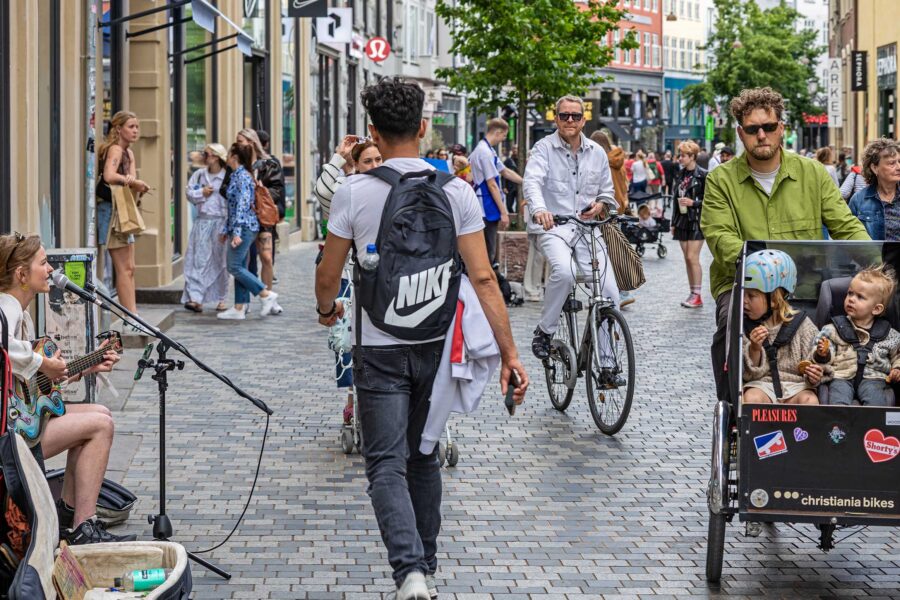
    Liechtenstein banks aspire to play a creative role in developing a more sustainable global economy and inclusive society. The theme of our Roadmap 2025 is growth through innovation and sustainability

  3. Fairer finance for development in LDCs

    FinancingGlobal

    Development in low-income countries is too often thwarted by lack of access to finance. The Decade of Action demands that we connect promising projects in these nations with the capital lifeline they need and deserve

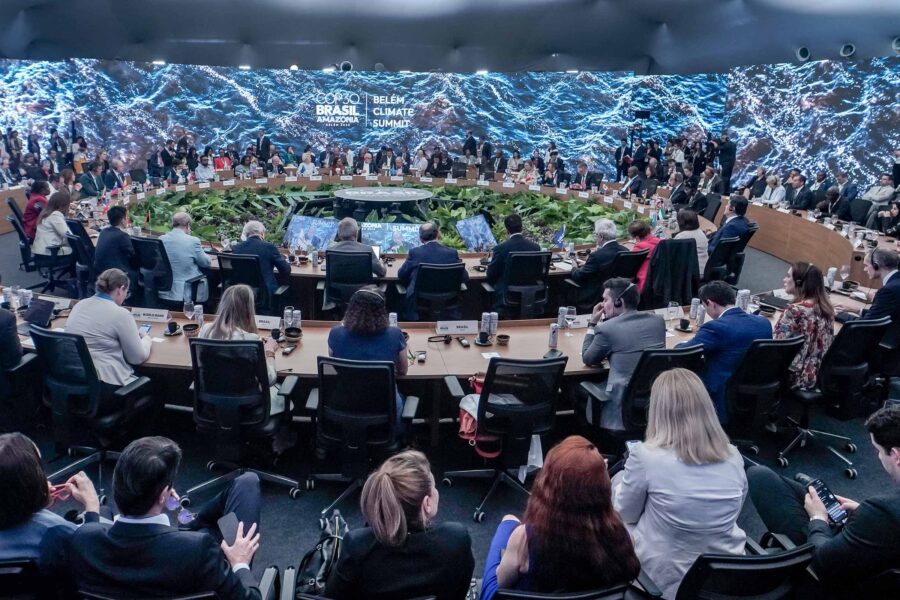
  4. Is the European Green Deal’s vision still intact?

    Economic development

    Europe has not abandoned the Green Deal – its flagship strategy for climate neutrality and shared prosperity – but it risks hollowing it out. As implementation pressures mount, the question is not whether the vision survives on paper, but whether it can still deliver a fair, system-wide transformation aligned with the SDGs

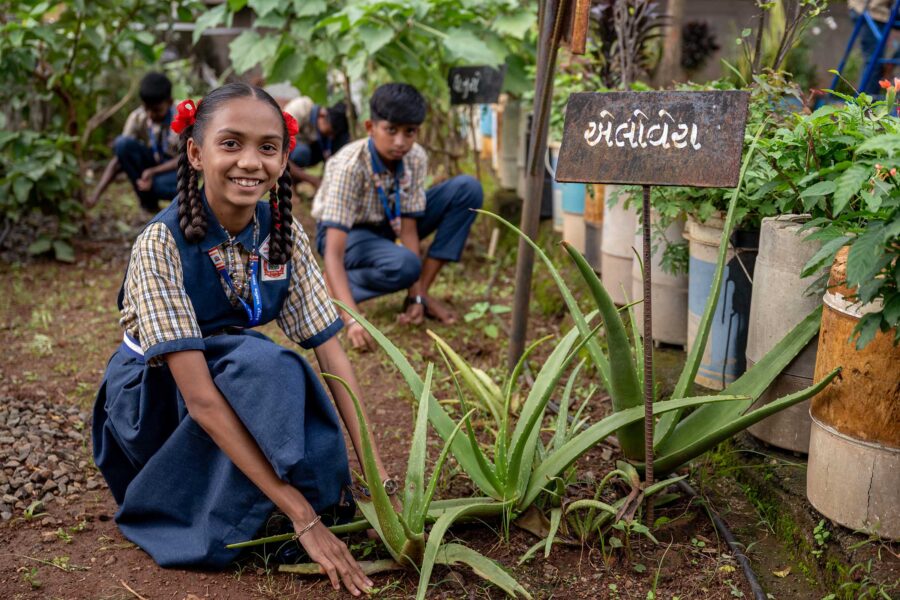
  5. Growing a green generation

    ClimateGlobal

    As the green transition accelerates, millions of new jobs will emerge – but the skills needed to fill them are evolving even faster. Preparing children and young people for this future means rethinking education, work, and what “green” really demands of us

  6. The elusive goal of equality

    Economic development

    “Leave no one behind,” the central tenet of the SDGs, underlines the importance of tackling inequality as countries strive to achieve the Global Goals. Rampant inequality is connected to setbacks in other areas, from democratic backsliding and the weakening rule of law to sluggish action on climate

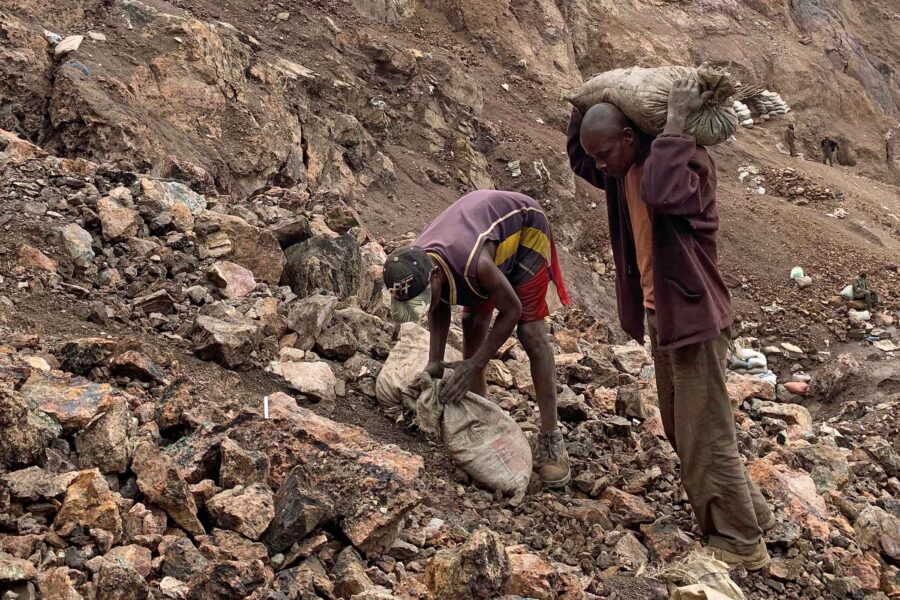
  7. Resourcing Africa’s future: fairness at the core

    Extractive and land resourcesSub-Saharan Africa

    Africa holds some of the world’s richest reserves of transition minerals, from cobalt and copper to lithium and platinum. To prevent the green revolution from becoming just another chapter of exploitation, African leaders and global partners must insist on value creation at home