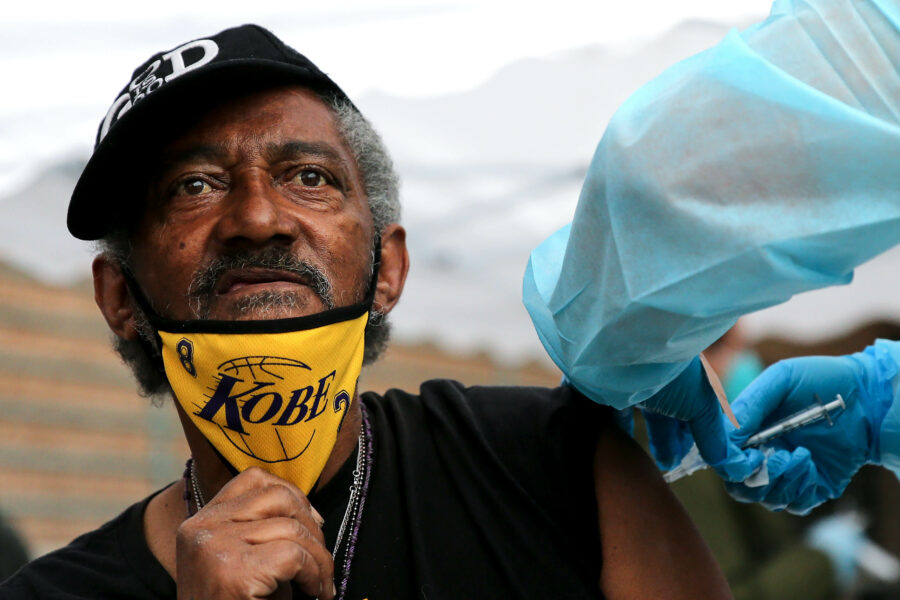
The experience of COVID has fundamentally changed our understanding of country risks. These lessons need to shape and drive COP26

Ensure healthy lives and promote well-being for all at all ages
By 2030, reduce the global maternal mortality ratio to less than 70 per 100,000 live births
Maternal mortality ratio
Proportion of births attended by skilled health personnel
By 2030, end preventable deaths of newborns and children under 5 years of age, with all countries aiming to reduce neonatal mortality to at least as low as 12 per 1,000 live births and under-5 mortality to at least as low as 25 per 1,000 live births
Under-5 mortality rate
Neonatal mortality rate
By 2030, end the epidemics of AIDS, tuberculosis, malaria and neglected tropical diseases and combat hepatitis, water-borne diseases and other communicable diseases
Number of new HIV infections per 1,000 uninfected population, by sex, age and key populations
Tuberculosis incidence per 100,000 population
Malaria incidence per 1,000 population
Hepatitis B incidence per 100,000 population
Number of people requiring interventions against neglected tropical diseases
By 2030, reduce by one third premature mortality from non-communicable diseases through prevention and treatment and promote mental health and well-being
Mortality rate attributed to cardiovascular disease, cancer, diabetes or chronic respiratory disease
Suicide mortality rate
Strengthen the prevention and treatment of substance abuse, including narcotic drug abuse and harmful use of alcohol
Coverage of treatment interventions (pharmacological, psychosocial and rehabilitation and aftercare services) for substance use disorders
Alcohol per capita consumption (aged 15 years and older) within a calendar year in litres of pure alcohol
By 2020, halve the number of global deaths and injuries from road traffic accidents
Death rate due to road traffic injuries
By 2030, ensure universal access to sexual and reproductive health-care services, including for family planning, information and education, and the integration of reproductive health into national strategies and programmes
Proportion of women of reproductive age (aged 15–49 years) who have their need for family planning satisfied with modern methods
Adolescent birth rate (aged 10–14 years; aged 15–19 years) per 1,000 women in that age group
Achieve universal health coverage, including financial risk protection, access to quality essential health-care services and access to safe, effective, quality and affordable essential medicines and vaccines for all
Coverage of essential health services
Proportion of population with large household expenditures on health as a share of total household expenditure or income
By 2030, substantially reduce the number of deaths and illnesses from hazardous chemicals and air, water and soil pollution and contamination
Mortality rate attributed to household and ambient air pollution
Mortality rate attributed to unsafe water, unsafe sanitation and lack of hygiene (exposure to unsafe Water, Sanitation and Hygiene for All (WASH) services)
Mortality rate attributed to unintentional poisoning
Strengthen the implementation of the World Health Organization Framework Convention on Tobacco Control in all countries, as appropriate
Age-standardized prevalence of current tobacco use among persons aged 15 years and older
Support the research and development of vaccines and medicines for the communicable and non-communicable diseases that primarily affect developing countries, provide access to affordable essential medicines and vaccines, in accordance with the Doha Declaration on the TRIPS Agreement and Public Health, which affirms the right of developing countries to use to the full the provisions in the Agreement on Trade Related Aspects of Intellectual Property Rights regarding flexibilities to protect public health, and, in particular, provide access to medicines for all
Proportion of the target population covered by all vaccines included in their national programme
Total net official development assistance to medical research and basic health sectors
Proportion of health facilities that have a core set of relevant essential medicines available and affordable on a sustainable basis
Substantially increase health financing and the recruitment, development, training and retention of the health workforce in developing countries, especially in least developed countries and small island developing States
Health worker density and distribution
Strengthen the capacity of all countries, in particular developing countries, for early warning, risk reduction and management of national and global health risks
International Health Regulations (IHR) capacity and health emergency preparedness
Percentage of bloodstream infections due to selected antimicrobial-resistant organisms
The experience of COVID has fundamentally changed our understanding of country risks. These lessons need to shape and drive COP26
Global governance — Global
The SDGs provide a ready-made plan for tackling humankind’s two greatest threats: COVID-19 and climate change. The solutions are within our reach

The pandemic has cruelly exposed social inequities and set back progress on the SDGs. But it also gives us critical insights on what must change in our global mission to build a more just, secure, and sustainable future
Health — Middle East and Northern Africa, Sub-Saharan Africa
Despite the will, many developing countries lack the resources to deal with a problem that ravages at both the national and individual level. We need smarter, context-specific solutions on nutrition that can catalyze sustainable change
Health — Global
With the pandemic demonstrating that ‘no one is safe until everyone is safe’, the case for universal health coverage has never been clearer. How do we achieve it?
Health — Global
In current times, it’s easy to forget that over 70% of deaths worldwide are due to non-communicable diseases. How can we tackle their rise?
Health — Global
The pandemic shows the critical importance of robust health systems, and that bigger budgets alone are no guarantee of ‘success’. Achieving good health and well-being for all by 2030, while restoring public finances, will need cost-effective spending on health
Climate — Global
What is the relationship between population growth and human-made climate change? Must we necessarily limit the former to fix the latter?