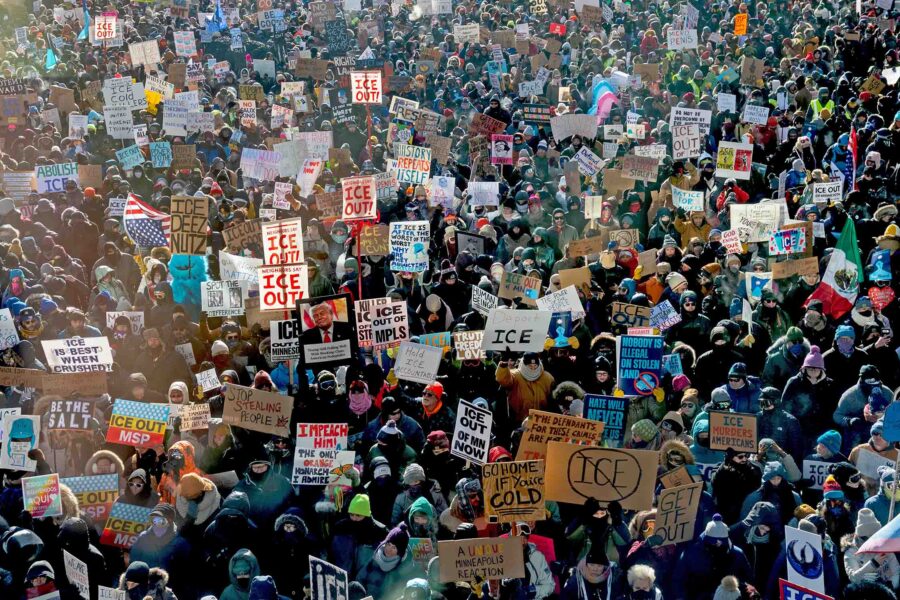
Political polarization is pushing many democracies into mutually hostile camps with conflicting views of reality. Restoring democratic health will require citizens and leaders to shift the focus from what divides society to what binds it

Political polarization is pushing many democracies into mutually hostile camps with conflicting views of reality. Restoring democratic health will require citizens and leaders to shift the focus from what divides society to what binds it
Global
With the Security Council divided and the UN’s wider credibility under strain, member states are looking to the next Secretary-General for a fresh vision of peacemaking. But what can one leader realistically do to restore the organization’s influence on peace and security?
Global, Middle East and Northern Africa
Civilian protection in armed conflict remains more aspiration than reality, as recent crises expose deep flaws in the international system. To restore credibility, the Responsibility to Protect (R2P) – a global pledge to prevent mass atrocities – must evolve and be backed by bold reform, regional initiative, and political will
Global
Donald Trump’s vision of the UN as a great-power forum clashes with decades of evolution in global peacebuilding. How can UN members continue to advance peace as envisioned by the SDGs?
Achieving the SDGs in fragile, violent, and/or corrupt states represents a daunting challenge – but not an impossible one. Success calls for a tailored, multi-pronged approach that addresses the fundamental interplay between poverty and conflict
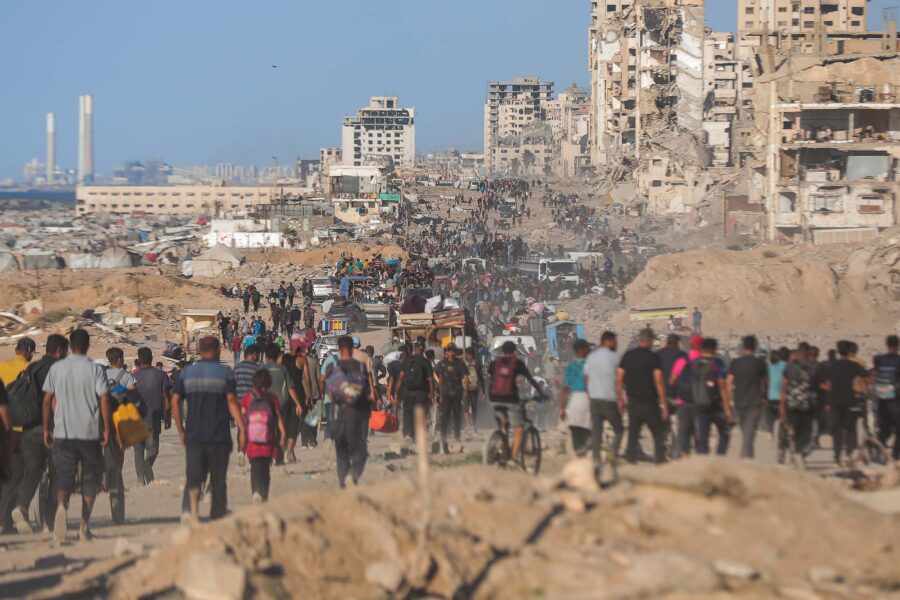
The war in Ukraine, the displacement of virtually the whole Palestinian population of Gaza, and Haiti’s spiral into anarchy have vividly exposed the UN’s inability to avert and resolve conflict. How might a changed UN apparatus be more proactive and effective in resolving disputes and bringing peace?
If confidence was waning in post-Cold War international peacemaking mechanisms, Russia’s invasion of Ukraine has diminished it still further. While this “standard” toolkit of the last three decades still has a role to play, the grim risk of future wars means we must establish more effective multilateral mechanisms to prevent and resolve conflict
Global
Where freedom of speech flourishes, so does misinformation. With more than half the global population now using social media, striking the right balance in managing online spaces is critical for healthy democracies, public safety, and achieving the SDGs
The pandemic has painfully exposed many societies’ inability to deal with crises. We must urgently innovate and democratize our governance structures if we’re to thwart the existential threats facing humankind
Global
Indifference and hostility have created a leadership vacuum in development. But as practitioners do the best they can in challenging circumstances, they create their own forms of thought leadership