Looking for leadership
Global
Indifference and hostility have created a leadership vacuum in development. But as practitioners do the best they can in challenging circumstances, they create their own forms of thought leadership

Global
Indifference and hostility have created a leadership vacuum in development. But as practitioners do the best they can in challenging circumstances, they create their own forms of thought leadership
We have built an intricate understanding of the dynamics between climate change, environmental systems, and resource use. We have also made huge strides in developing tools to analyze and model data. Why, then, are we not using this science to direct policy?
The global development landscape is at a crossroads. As political fragmentation grows and the effectiveness of international aid comes into question, the future of the SDGs appears increasingly uncertain
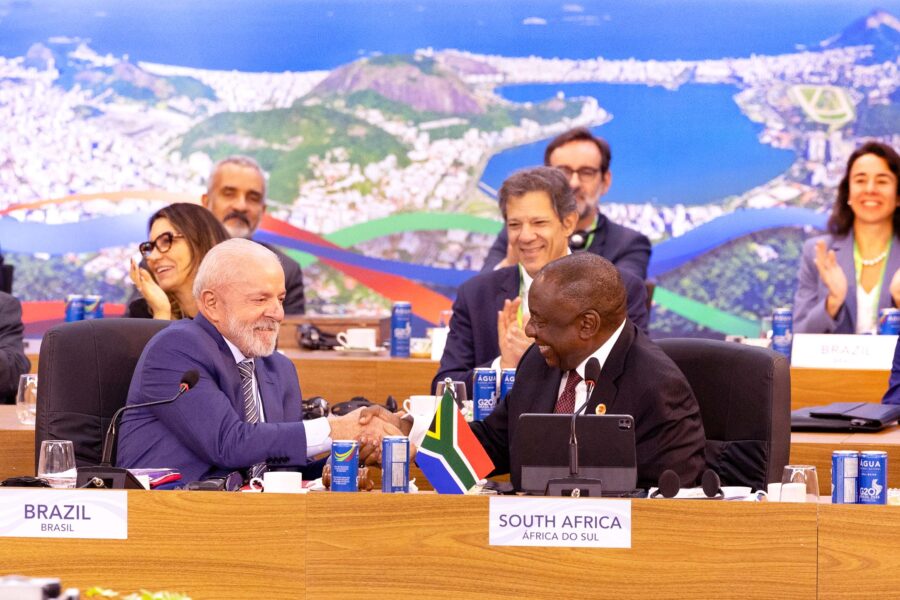
As global power becomes more diffuse and traditional institutions lose traction, the G20 stands out as a forum with the potential to reconnect a divided international system. Its success will depend on whether member states can find common cause – and act decisively when others won’t
Global, US and Canada
The UN and the USA need each other. A failure to recognize the benefits that the USA receives has led to a push to defund the UN – the consequences would be detrimental to everyone
Global
The UN is under attack from virtually every quarter. What might an effective, reformed UN look like, one that remains a central player in addressing the world’s most pressing issues?
Global
The last nine years have seen seismic societal, economic, and political shifts around the world – meaningful progress on the SDGs isn’t among them. We know what needs fixing and in many cases how – the legacy of this generation of leaders will be whether it had the courage and wisdom to act
At the halfway point of Agenda 2030, the SDGs are dangerously off course. Current world crises are both evidence of the lamentable lack of progress, and confirmation that the world needs the goals now more than ever
For the developed world, increasingly there appears to be only one existential crisis in town: climate change. Achieving the broader agenda of the Sustainable Development Goals (SDGs) demands deep reform of the international financial system and urgent recalibration of political will
The Global Goals represent a quest to achieve human rights for all. In the face of democratic backsliding and a global trend to restrict free speech, we must ensure that civil society remains an active force for their progress