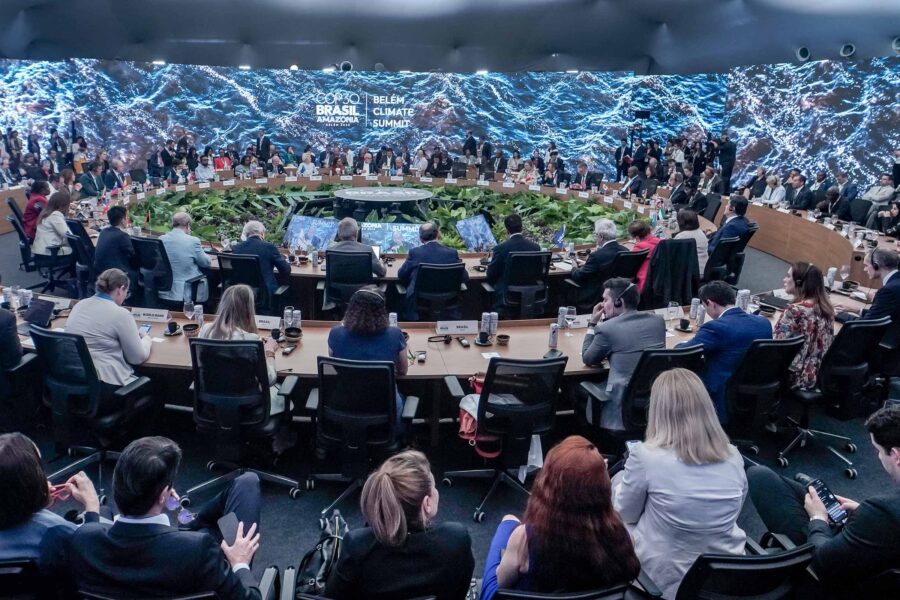
The world is warming faster than our systems can respond. How can the COP process turn new commitments into action before the window for impact closes?
Climate change dominates global attention, but the destruction of nature is quietly setting up its own economic shockwave. With COP30 spotlighting the rising economic costs of nature loss, the case for treating it as an urgent financial and development priority has never been clearer
As climate shocks multiply and conflicts strain supply chains, the world’s food systems are showing dangerous cracks. Building resilience – from farm diversity to fairer trade – must be at the heart of climate action at COP30
A new era of Earth observation (EO) – satellite-based monitoring of the planet – is transforming how we measure and manage environmental risk. But as the view from space grows sharper, so too does the imperative to turn intelligence into action
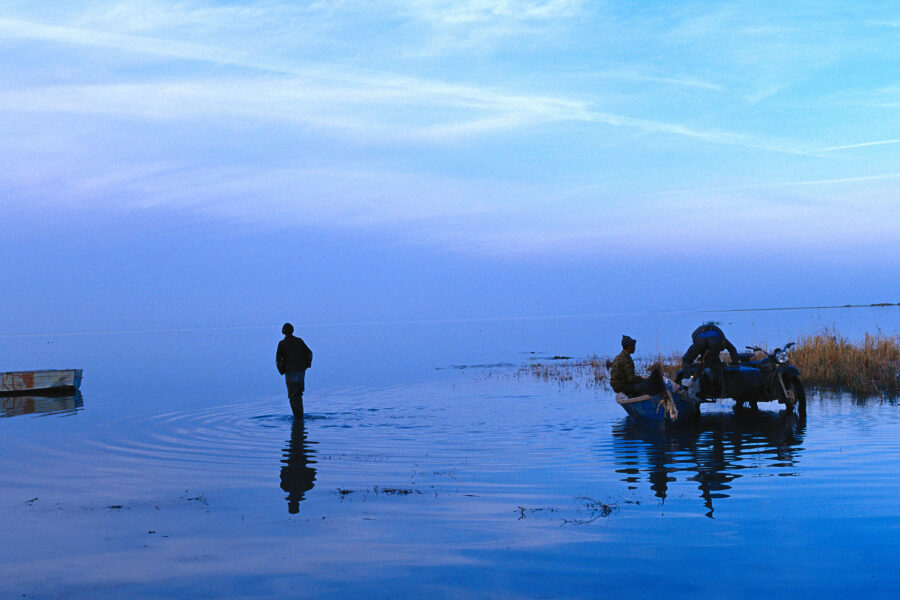
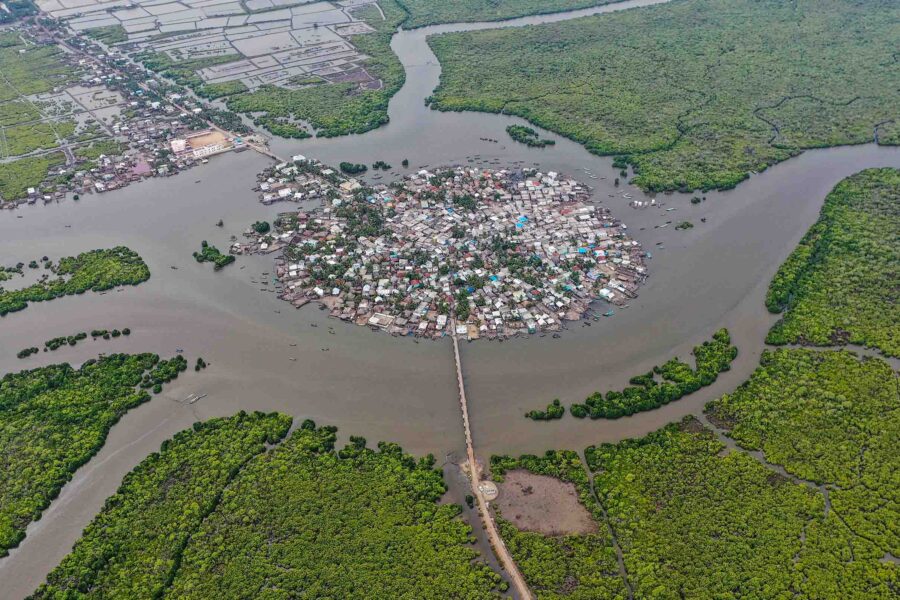
Coastal ecosystems play a vital role in stabilizing the climate, yet global policy still values them mainly for their ability to absorb and store carbon. As COP30 unfolds, a new approach argues for recognizing the ocean as a living system – where carbon, biodiversity, and human welfare are inseparable
The ocean is not just a victim of environmental decline – it is a foundation of global development. From climate resilience to food security to poverty reduction, ocean health now stands as a critical barometer of our capacity to achieve the SDGs
Is it possible to hold back, or reverse, large-scale degradation of land and tackle climate change?
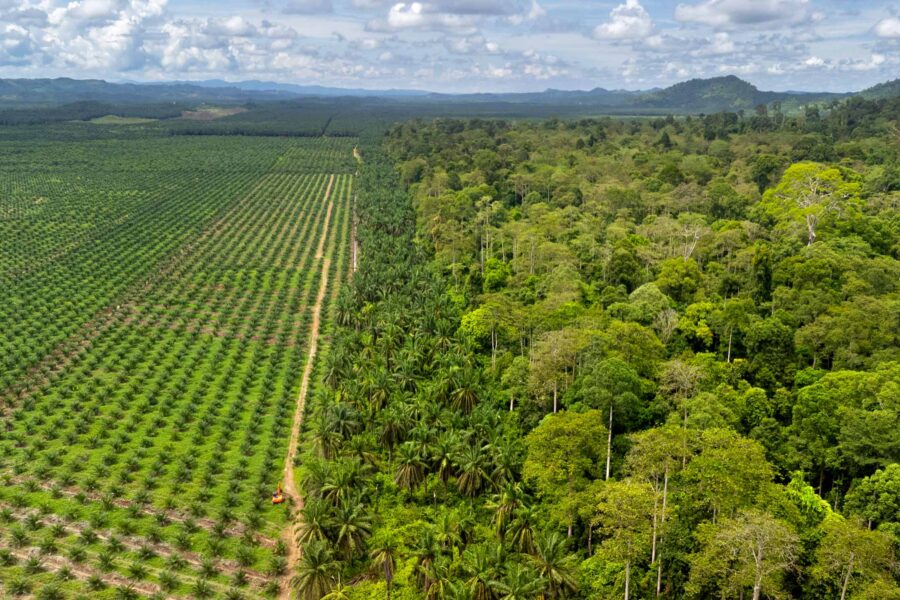
Evidence is mounting that forest carbon offset credits are not working. Can a new approach, based on countries and companies making wider contributions to climate action beyond offsetting emissions, save the world’s forests?
The EU’s unilateral approach to curb deforestation through restrictions on imports sends a powerful message, but will it deliver? Here, the authors argue that successful global action on deforestation calls for a carefully balanced system of tariffs and subsidies from a wider coalition of countries
Even the most optimistic predictions show a significantly warmer planet by 2100. Rather than focusing on quick adaptive fixes, as many current plans do, countries must pursue climate-resilient development strategies that address the systemic nature of the climate crisis