Category: Gender

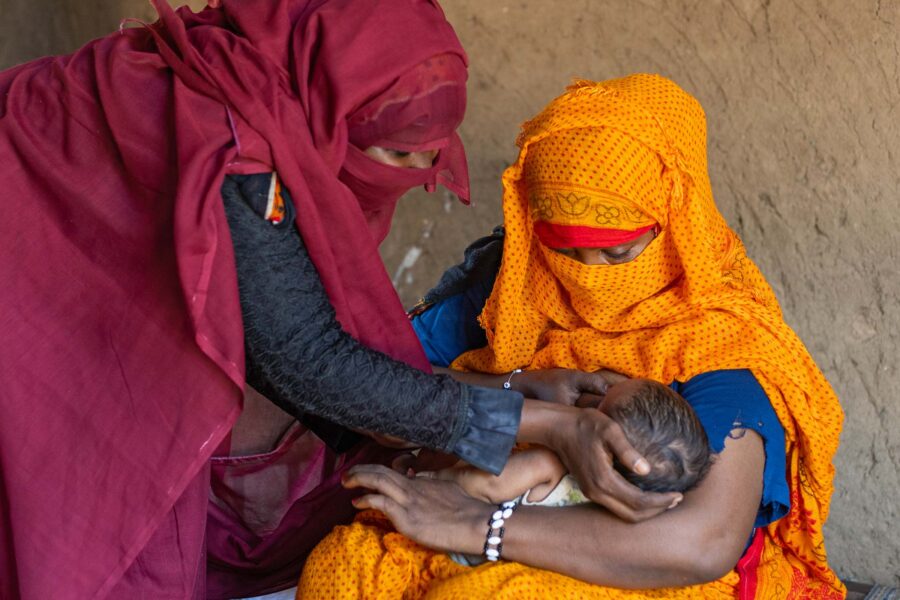
  1. The hidden toll of maternal malnutrition in conflict settings

    Global, Sub-Saharan Africa

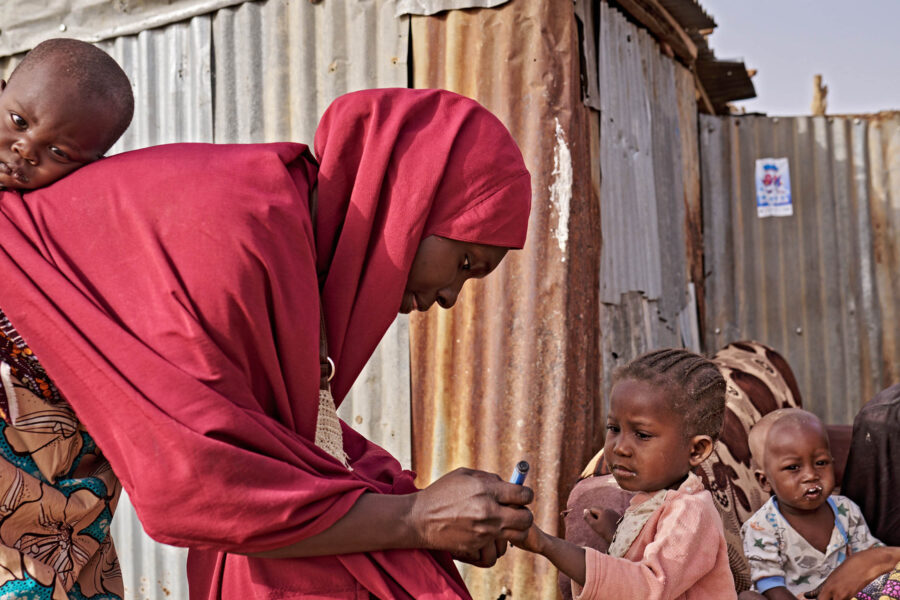
    Conflict and displacement are driving a largely overlooked crisis in maternal nutrition, with grave consequences for women, babies, and long-term development. Protecting mothers’ health is one of the most effective ways to save lives and advance progress across the SDGs in fragile settings
  2. Why the UN needs women’s leadership

    Global

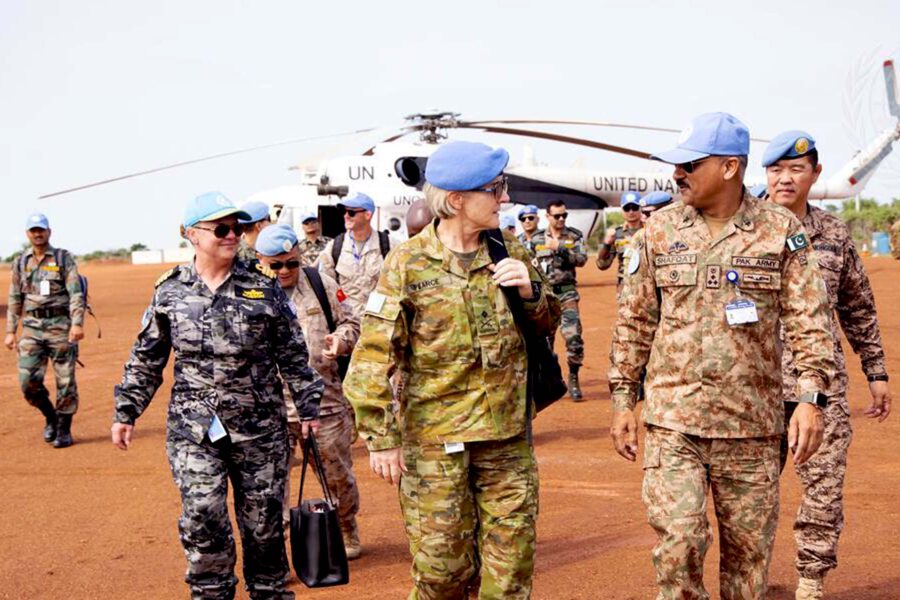
    The case for a woman Secretary-General is not just about symbolism. More representative leadership would strengthen the UN’s legitimacy, improve decision-making, and better equip the institution for an era of compounding global crises

  3. The cost of motherhood and the gender pay gap

    Global

    Motherhood still comes with a pay penalty, and women continue to be paid less for work of equal value – not by accident, but by design. Tackling these injustices means changing how pay is set and progression is measured and rewarded – through transparency, enforcement, and stronger worker protections

  4. Reproductive health is the bedrock of healthy societies and economies

    Global

    People’s rights to decide freely about sex, contraception, and parenthood are central to human dignity, economic growth, and gender equality – yet they remain under attack worldwide. Without urgent action to protect and expand these rights, decades of progress risk being undone, with young people bearing the greatest cost

  5. Countering the global war on women

    Global

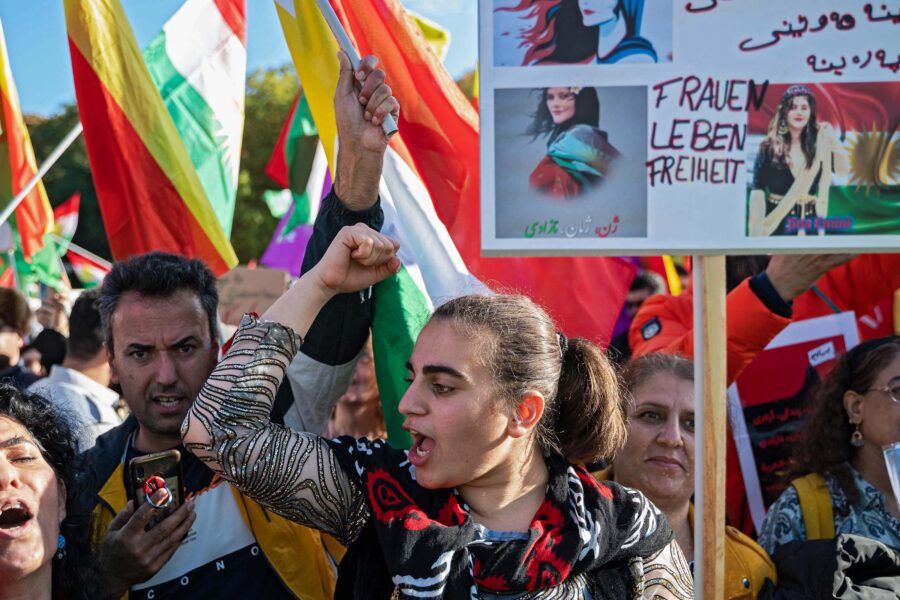
    Across the world, women’s rights are increasingly under attack from conservative and populist forces. Defending these rights – through broad democratic alliances and institutional resilience – is critical to safeguarding democracy itself

  6. Women and technology: a catalyst for equality and development

    Global

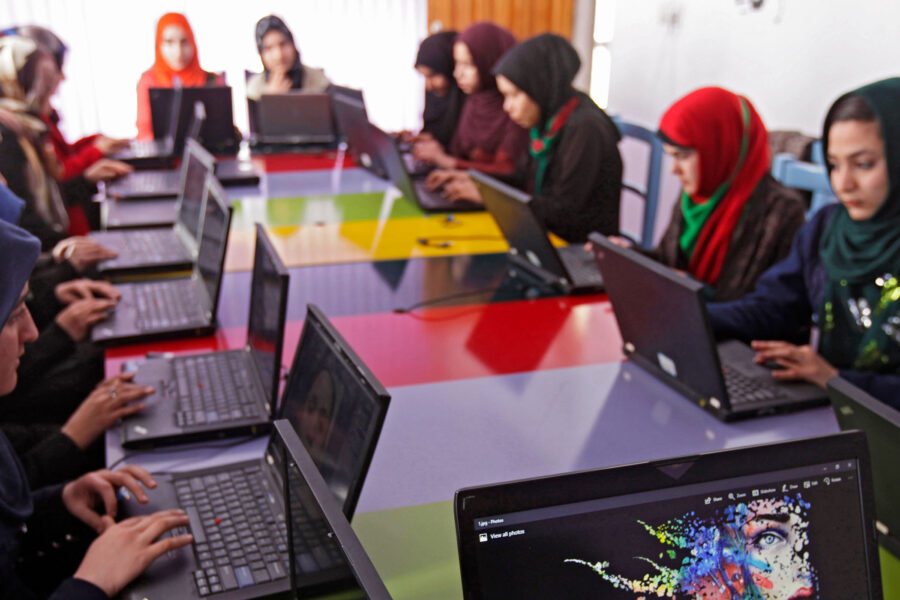
    Denying women and girls access to technology is not a gap – it’s a systemic injustice with global consequences. Urgent action to expand digital access, education, and agency, especially in the world’s poorest countries, is essential to ensure that half the population can shape – not be shut out of – our digital future