
Why climate technology is a women’s and girls’ issue
When climate solutions fit local realities, they can restore ecosystems, strengthen food security, reduce vulnerability for women and expand their economic agency
Gender — Global, Sub-Saharan Africa
Authors

Molly Sharone
Climate Technology Specialist and Gender Focal Point, Climate Technology Centre & Network (CTCN)

Isabel Hagbrink
Communications Lead, Climate Technology Centre and Network (CTCN)
Climate change is not gender neutral. As droughts intensify and water sources shrink, the burden of securing food, fuel and incomes falls on those whose lives depend on natural resources, particularly women and girls. If climate solutions are to work, they must reflect the realities of women’s lives, including how they farm, source for water and manage households.
Women make up the majority of smallholder farmers in many parts of the world, particularly in sub-Saharan Africa. When climate change disrupts these systems through droughts, floods, or land degradation, it is women and girls who feel the consequences first and most severely. Climate technologies that address water scarcity, food insecurity, energy access, and disaster preparedness, therefore, have an outsized impact on women’s lives.
Climate technology as a practical solution in Nigeria
Rather than viewing climate technology as abstract or technical, it is best understood through its real-world applications. When climate technologies are designed with local realities and gender in mind, they directly reduce vulnerability and create opportunities.
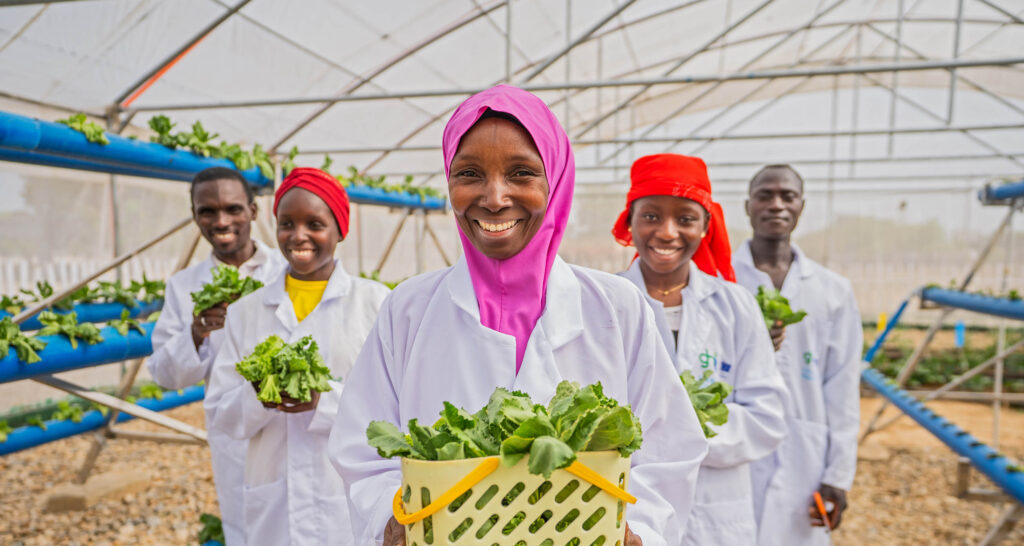
A powerful example comes from northern Nigeria, where communities face a convergence of challenges: prolonged drought, soil degradation, and conflict over arable land. Traditional farming has become increasingly risky, particularly for women, who are often responsible for household food production but have limited access to land, water, and security. In Kaduna State, women often travel long distances to cultivate fields outside their villages, where soil degradation and climate variability make harvests increasingly unreliable. These journeys can also expose them to heightened security risks linked to land-use pressures and tensions with pastoralist communities
Through a climate technology initiative focused on hydroponics, the village women are now growing food closer to home. Using water-efficient, soilless crop production systems, women cultivate vegetables in greenhouses. This has not only restored food production but also reduced fear and food insecurity. The result goes beyond higher yields. It restores dignity, reduces fear and strengthens women’s autonomy in a fragile environment.
Restoring land, livelihoods, and leadership
Climate technologies are also transforming degraded landscapes. In northern Cameroon, youth and women are rewilding degraded landscapes through climate-smart land restoration. Traditional synecoculture companion planting strategies, combined with modern techniques, are bringing green cover back to exhausted soils. As biodiversity returns and soil health improves, communities are rebuilding food systems and creating new income opportunities – particularly for women-led households.
Water management technologies are equally critical. Climate change is intensifying both droughts and floods, often within the same regions. According to the World Bank’s Uncharted Waters report, children, particularly girls, are often the first to feel the secondary effects. In times of drought or failed harvests, girls are more likely than boys to be pulled out of school to help at home, care for siblings, or contribute to household subsistence. This creates a cycle in which climate change reinforces existing inequalities, limiting girls’ education and their long-term economic opportunities.
Energy technologies that transform daily life
At the household level, access to clean energy technologies can greatly reduce women’s workload and health risks. In many rural areas, women spend hours collecting firewood and cooking over traditional biomass stoves – work that is time-consuming, physically demanding, and harmful to their health.
© UN CTCN/Miranda Rikki Tasker
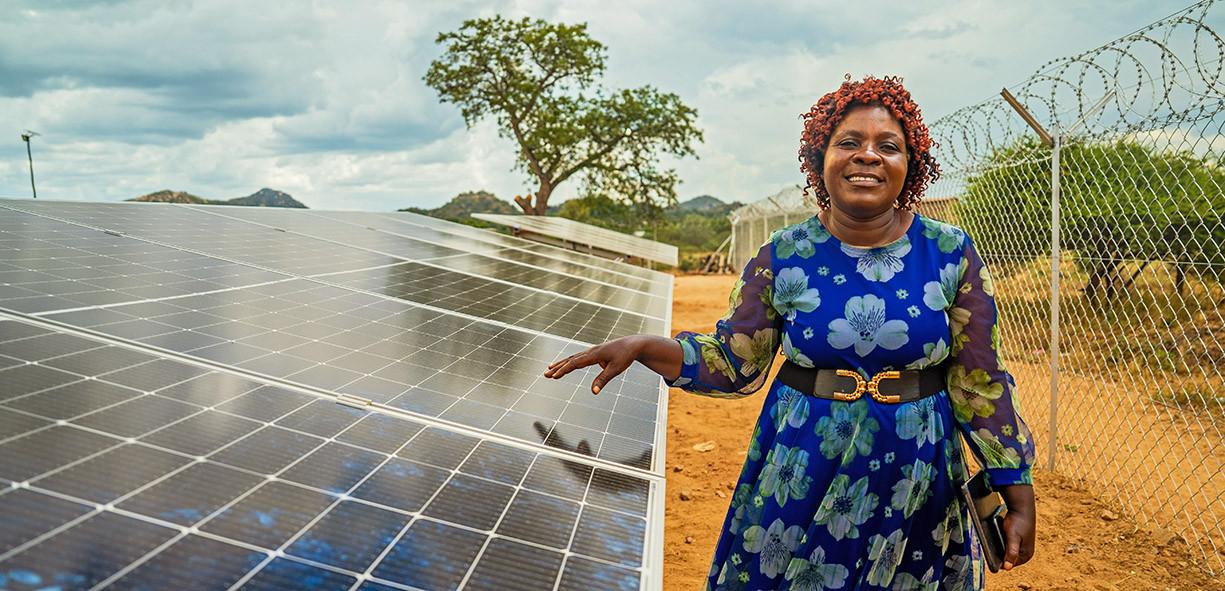
In Zimbabwe, solar drying technologies are transforming women’s livelihoods in woodlands and mopane ecosystems. Traditionally, drying nutrient-rich food such as mopane worms required open fires, exposing women to smoke, accelerating deforestation, and increasing the risk of forest fires. Solar dryers remove the need for fuelwood, improve product quality and shelf life, and allow women to earn higher incomes in safer conditions.
Scaling such solutions requires expanding access to affordable solar equipment, supporting women-led producer groups, and integrating clean energy technologies into rural development strategies.
Solar-powered irrigation systems offer similar benefits. In Mozambique, pay-as-you-irrigate models enable women farmers to access reliable water without high upfront costs. Because payments align with harvest cycles, farmers can increase yields and climate resilience without incurring unsustainable debt.
From vulnerability to agency
Climate technology is not only about reducing harm – it is about shifting power. Women are already leading adaptation and resilience efforts in their communities. When they are involved in the design, governance, and deployment of technologies, solutions are more effective, inclusive, and sustainable –the results are more responsive to realities and more likely to last.
Youth engagement is equally important. Young women and men bring innovation, digital skills, and energy that are essential for scaling solutions. Tools such as WhatsApp-based advisory systems can deliver real-time weather updates and farming guidance, strengthening farmers’ decisions in only increasingly unpredictable climates.
Climate technology as a justice issue
Ultimately, climate technology is a women’s and girls’ issue because climate change itself is a justice issue. Those least responsible for emissions are the most affected, and within those communities, women and girls bear the greatest risks.
Investing in climate technologies that address basic needs – food security, water access, clean energy, and safety – does more than reduce climate vulnerability. It strengthens education pathways, livelihoods, leadership, and broader human development.
However, climate justice requires more than just access: it requires that women and girls have meaningful power in shaping, governing, and benefiting from these technologies. This is the focus of the UNFCCC Women and Gender Constituency, which has been advocating and demonstrating that when women and girls are placed at the center of climate solutions, technology becomes more than innovation – it becomes a pathway to resilience, dignity, and hope.
Featured in:
UNGA 2026 edition: Looking for leadership
As the established global powers have retreated from development, no one has stepped up to fill their place: not the Global South, not the middle powers, not a loosely assembled BRICS. The agenda that has guided development since 2015 is losing the cohesion it once had, just as the political appetite for it fades.
Yet across this edition, practitioners keep building a coherent, evidence-based case for a fairer, safer, sustainable world. Their work supplies the thought leadership that politics has not – and it will provide the framework for success when real political will returns.
Authors include Adriana E. Abdenur, Bineta Diop, Richard Gowan, Phoebe Koundouri, Emi Minghui Gui, Chidi King, María Fernanda Espinosa Garcés, Tobias Schillings and Rachel Marcus.
Publication date: 15 September 2026
Related articles

Food systems that bend, not break: a mandate for COP30
As climate shocks multiply and conflicts strain supply chains, the world’s food systems are showing dangerous cracks. Building resilience – from farm diversity to fairer trade – must be at the heart of climate action at COP30
Gender-responsive social protection: a key to unlock progress across the SDGs
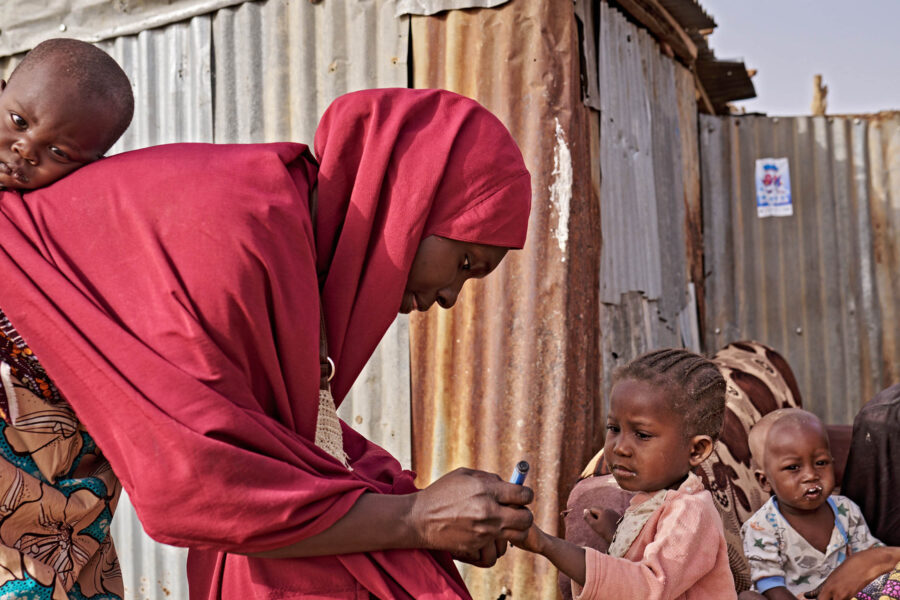
Social protection is a powerful – but underused – lever for gender equality and sustainable development. To get the SDGs back on track and close widening global gaps, governments must invest in inclusive systems that support women’s rights and needs at every stage of life
Growing a green generation
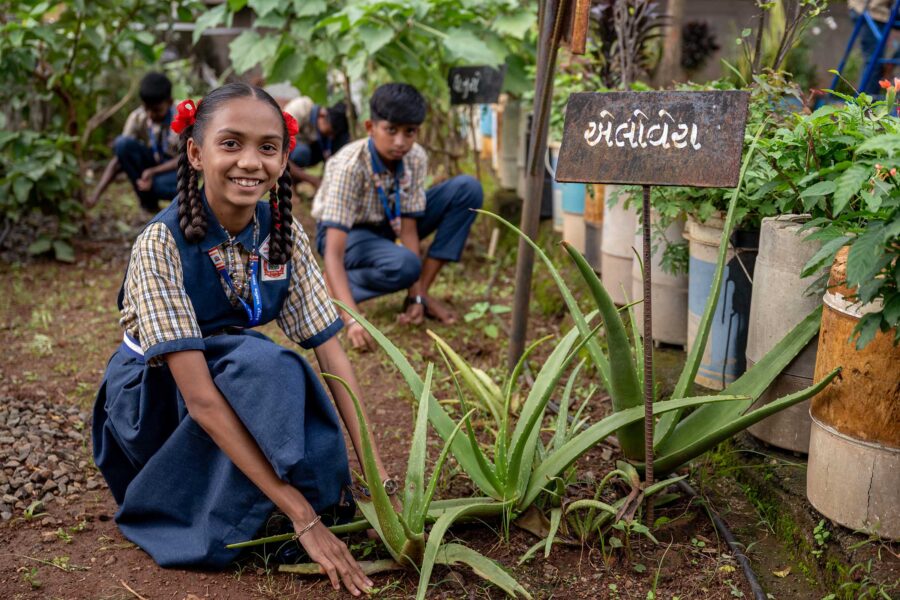
As the green transition accelerates, millions of new jobs will emerge – but the skills needed to fill them are evolving even faster. Preparing children and young people for this future means rethinking education, work, and what “green” really demands of us